



How to Stage Your Home to Sell (And Actually Get It Done)
You just signed with your agent, the listing date is circled on the calendar, and now someone is looking at you and asking the question you’ve been quietly dreading: “So what do you need to do to get the house ready?”
If your brain just went blank, you are not alone.
Getting a home ready to sell is one of those things that sounds simple until you’re standing in your living room at 9 p.m. surrounded by 12 years of accumulated stuff, wondering where on earth to start. The good news? Staging your home to sell doesn’t have to be a guessing game. There’s a clear process, and once you know it, the whole thing gets a lot less overwhelming. This guide walks you through it.
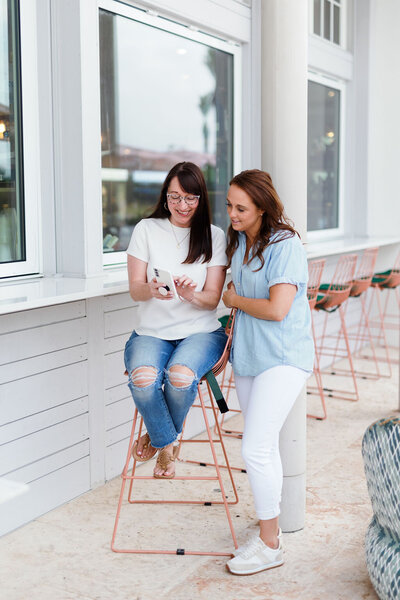
We’re Alissa and Katy, two full-time agents from Baton Rouge, Louisiana, who have helped sellers through this process more times than we can count. Between us, we’ve sold over 1,200 homes, and we’ve seen firsthand what staging does (and doesn’t) move the needle. So let’s get into it.
What Does It Actually Mean to Stage Your Home to Sell?
Home staging is the process of preparing your home so it appeals to the widest possible pool of buyers. It’s not about making your house look like a magazine spread. It’s about helping buyers walk in and immediately picture themselves living there.
That means decluttering, depersonalizing, cleaning, and arranging your space in a way that highlights its best features and minimizes distractions. It can involve rearranging furniture, swapping out dated light fixtures, freshening up paint, and tackling curb appeal so the first impression is a strong one.
You don’t need a professional stager or a massive budget to do this well. What you need is a plan, a clear starting point, and a realistic timeline.
Does Staging Really Make a Difference?
Short answer: yes, and it’s not even close. Staged homes consistently sell faster and for more money than homes that hit the market without any prep work. When buyers walk into a home that feels clean, open, and move-in ready, they make emotional decisions. They stop seeing the house as a project and start seeing it as their home. That emotional connection is what drives strong offers.
On the flip side, homes that aren’t staged well tend to sit longer. Buyers start wondering what else might need attention. Days on market stack up. Price reductions follow. We’ve seen it play out too many times, and it’s always harder to recover from a slow start than to just get it right from the beginning.
Where Do You Start When Staging Your Home?
Start with a full walkthrough of every room, as if you’re a buyer seeing it for the first time. Try to look at the space with fresh eyes. What do you notice first? What feels cluttered, dark, or dated? What smells hit you when you walk in the front door?
It helps to take photos as you go, because the camera has a way of revealing things your eye glosses over after years of living in a space. A stack of mail on the counter, a row of family photos on every surface, a spare bedroom that became a storage room — the camera catches all of it.
Once you’ve done the walkthrough, you can prioritize. Not everything needs to be addressed equally, and you don’t have to do it all in one weekend.
Home Staging Tips Room by Room
Curb Appeal: The First Impression You Can’t Take Back
Buyers form an opinion about a house before they even get out of the car. Mow the lawn, edge the beds, power wash the driveway, and make sure the front door is clean and welcoming. A fresh doormat and a couple of potted plants go a long way. If the shutters or front door paint are peeling, that’s worth addressing before photos.
Living Room: Open, Neutral, and Inviting
The living room should feel spacious and neutral, which usually means removing at least a piece or two of furniture to open up the space, clearing surfaces of personal photos and decorative clutter, and making sure the lighting is warm and bright. Buyers should be able to move through the room easily and imagine their own furniture in it.
Kitchen: Clean Lines and Clear Counters
The kitchen is one of the most scrutinized rooms in the house. Clear the countertops completely, clean the appliances (including inside the microwave and oven), and make sure there are no odors. If the hardware is dated, swapping cabinet pulls is one of the easiest, highest-impact updates you can make for under $100.
Primary Bedroom: Calm and Restful
Buyers want to feel like the primary bedroom is a retreat. Remove personal items, pare down bedside tables, and make the bed look hotel-quality. If the closet is packed, box up out-of-season clothes and store them offsite — buyers will open those doors.
Bathrooms: Spotless and Simple
Counter space should be clear except for a few intentional items. Deep clean grout, replace old caulk if it’s discolored, and put out fresh towels. Buyers notice the details in bathrooms more than almost anywhere else in the house.
Other Bedrooms and Common Areas
Secondary bedrooms should feel like actual bedrooms, not storage rooms. If a room has been used as a dumping ground, it’s worth the effort to clear it out and stage it as a bedroom or a functional office. Undefined spaces confuse buyers and make a home feel smaller than it is.
How to Create a Realistic Home Staging Timeline
Work backwards from your listing date. If you’re going on the market in six weeks, you have time to tackle bigger projects. If it’s three weeks, you’ll need to prioritize ruthlessly and focus on the highest-impact changes first.
A good general order of operations looks something like this: start with decluttering and deep cleaning (this takes longer than you think), then tackle any repairs or paint touch-ups, then address furniture arrangement and styling, and save the small finishing touches for the week before photos. Give yourself a buffer — things always take longer than expected.
Your agent should be helping you build this timeline, but if you feel like you need more day-to-day support and accountability to actually stay on track, keep reading — because we built something for exactly that.
The Biggest Home Staging Mistakes Sellers Make
- Waiting too long to start. The earlier you begin, the less rushed and stressful the process will be.
- Over-improving. You don’t need to renovate the kitchen. Focus on clean, neutral, and well-maintained.
- Ignoring smells. Pets, cooking, and general lived-in odors are the first thing buyers notice and the last thing sellers can smell. Open the windows, clean the carpets, and ask an honest friend.
- Leaving too much personal stuff. Buyers can’t picture themselves in a house that feels like someone else’s life is still in it.
- Skipping the outside. Curb appeal drives the first impression, and first impressions are everything.
What If You Need More Than a Checklist?
Here’s the thing about home staging guides (including this one): reading the advice is easy. Actually getting through all of it, room by room, on a real timeline, while also coordinating with your agent and managing your life? That’s where people get stuck.
We see it constantly. Sellers start strong, get overwhelmed somewhere around week two, and show up to listing photos with half the work done. And it always costs them — either in time on the market, or in the final sale price.
That’s exactly why we created the Stage Your Home to Sell app. It’s an AI-powered coaching tool that builds you a personalized, room-by-room action plan based on your specific home, your timeline, and your goals. You take a short quiz when you sign up, and from there the app walks you through every step, with daily check-ins, photo feedback, and 24/7 coaching to keep you moving forward.
Think of it as the staging expert who’s available any time you have a question, without the $300+ consultation fee.
Get started with the app here.
Free Staging Resources to Get You Started
If you’re not quite ready for the app, we also have a free Home Prep and Staging Guide you can download right now. And if you want to go deeper, our podcast episode “How to Stage a House: A Consumer’s Guide” (Episode 276) walks through the whole process in conversation.
You can also browse our full consumer resource page for more episodes and tools designed specifically for buyers and sellers navigating the real estate process.
The Bottom Line on How to Stage Your Home to Sell
Staging your home to sell isn’t about perfection. It’s about presenting your home in a way that helps buyers connect with it quickly and confidently. The sellers who do the prep work almost always come out ahead, whether that’s a faster sale, a stronger offer, or both.
Give yourself enough time, work through it room by room, lean on your agent, and don’t be afraid to ask for help. This is your permission slip to take it one step at a time.
And if you want something that walks alongside you through the whole process, the Stage Your Home to Sell app was built for exactly this. We’ll see you on listing day.
— Alissa & Katy